If you’re planning a new build and Vastu Shastra matters to you, you’re in good company. Across Australia, more homeowners are prioritising it early in the design process, not as a passing trend, but as a way to create a home that feels settled and supportive.
If Vastu is new to you, a helpful comparison is Feng Shui. Different tradition, similar idea: thoughtful placement, balance, and flow so the home feels good to live in.
What often trips people up is the gap between Vastu “rules” online and the reality of Australian blocks, permits, and building constraints. Articles can make it sound simple: place this here, avoid that there, and you’re done. Real projects have more variables. Setbacks, easements, slope, site access, overshading, and budget all have a say.
So, this guide focuses on what applies in practice: block orientation, core room placement, common compromises, and what a real consult tends to look like when you want Vastu considered from day one.
A quick reality check (the useful kind)
You can follow Vastu closely and still make practical calls. That might sound like two opposing ideas, but it’s how most successful builds work.
Many clients start with a “perfect” Vastu picture in mind, then discover the site has other non-negotiables. Council requirements, service connections, driveway position, and solar performance often influence the plan as much as anything else. The goal becomes clarity: what matters most to you, and where can the plan flex?
That’s also the most respectful way to approach Vastu. It’s a framework you can apply with care, not a pass or fail test.
It starts with the block (because it always does)
Before floorplans and fixtures, Vastu discussions usually begin with the block. In plain terms, there are three key points to get straight:
- Orientation: where north sits on your block (not just where the street is).
- Access: where the driveway and entry realistically go based on crossover and frontage.
- Slope and drainage: where water naturally moves, and what that means for levels.
In Australia, it’s also worth combining Vastu preferences with basic passive design thinking. Natural light, cross-ventilation, and summer heat management matter, especially on tight suburban sites. Sometimes the design priorities work together nicely. Other times, you’ll need a sensible compromise that still respects your intent.
A good early consult is less about declaring a list of rules and more about mapping priorities onto the site, then reviewing what’s realistic.
The “big rocks” people ask about most
Vastu can get detailed quickly, but most new-build conversations revolve around a few high-impact zones. These are the ones that influence the whole home.
The main entrance
The entrance is often a priority because it sets the tone. Clients may ask about the door direction, the approach path, and what the entry “welcomes” into the home.
From a building point of view, the entry is tied to site access, levels, the garage position, and how the hallway connects to living areas. It’s rarely a single decision. It’s a sequence.
A practical approach is to confirm the home’s cardinal directions on the plan, then decide what is most important:
- The entry facing a preferred direction.
- The feel of the arrival (light, openness, privacy).
- Circulation inside the home.
If the external entry can’t be moved much, the internal entry experience often can. That can still satisfy the spirit of the request.
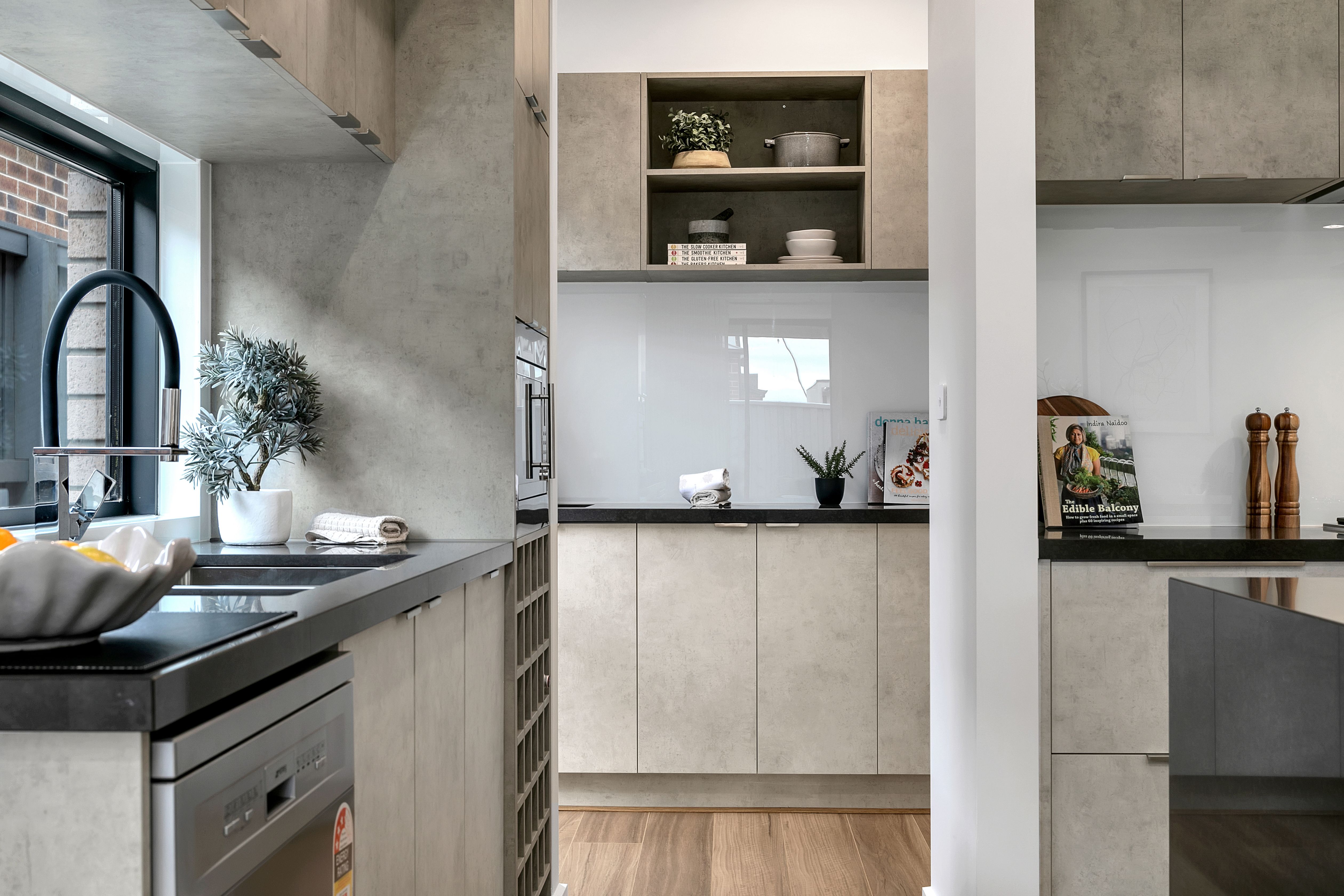
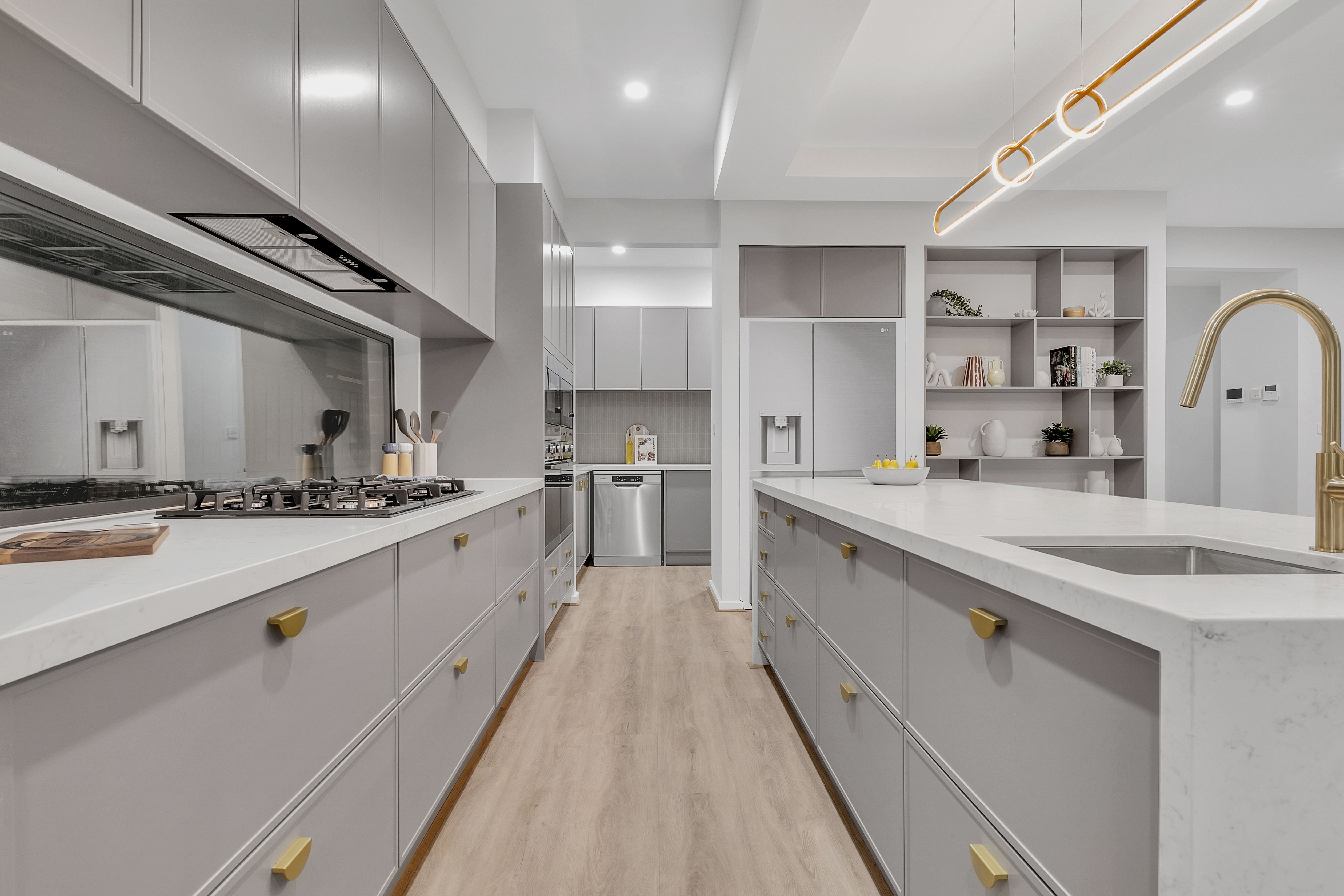
Kitchen placement (the big one)
Kitchens come up constantly, and for good reason. They’re high-use spaces with heat, movement, and daily routines.
In a real build, kitchen placement also needs to work with:
- Plumbing runs and services.
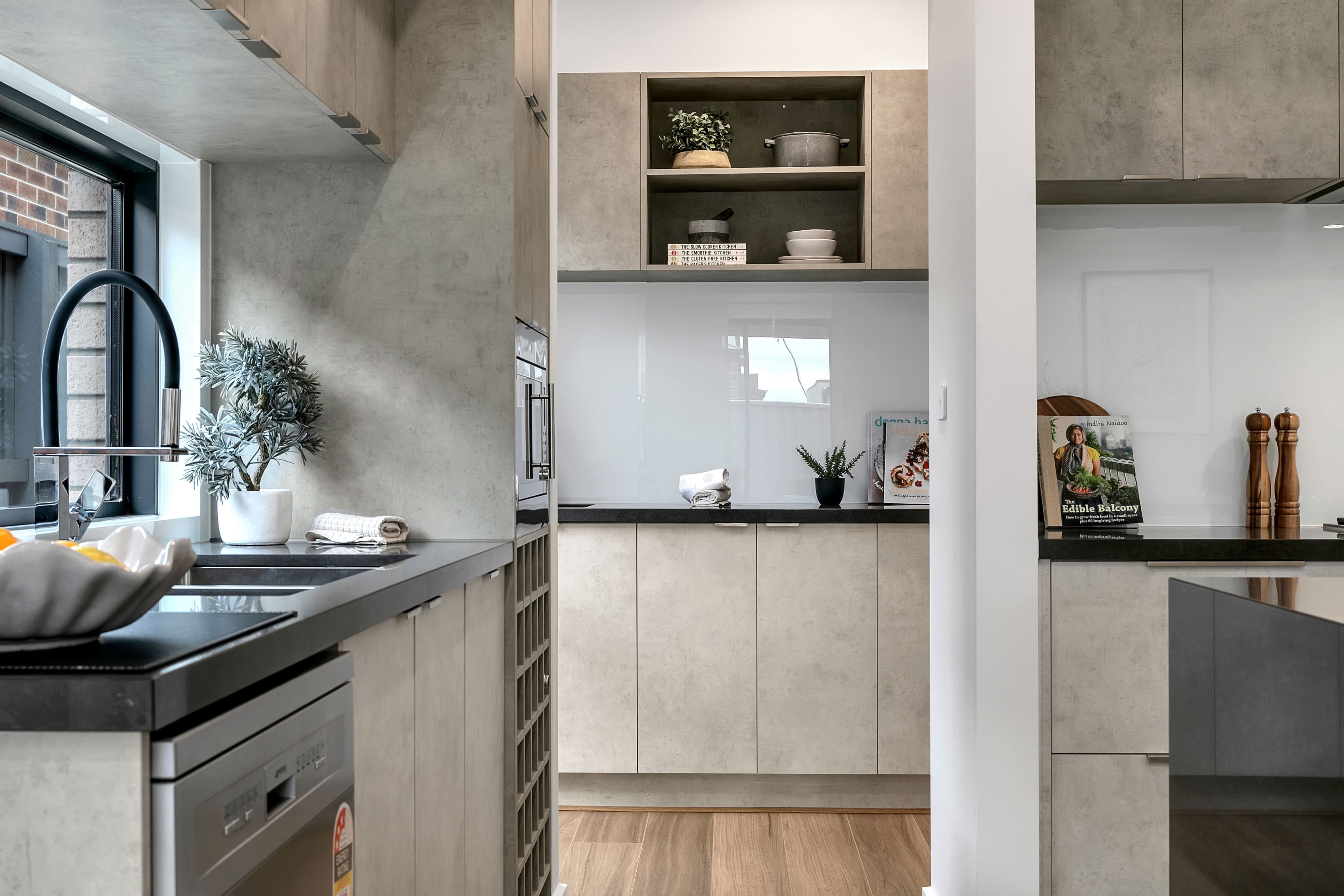
- Pantry location and storage volume.
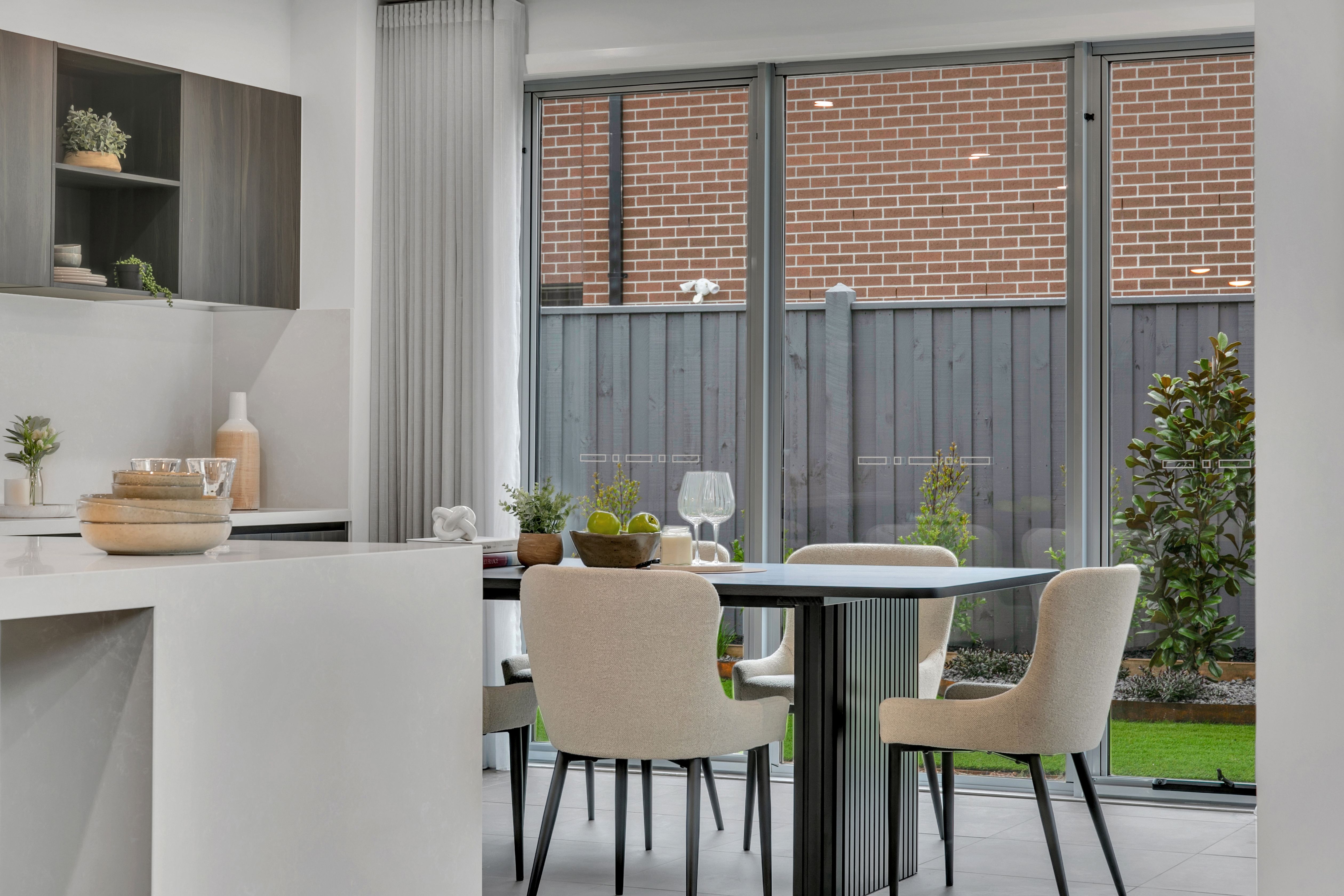
- Dining and alfresco connection.
- Traffic flow (so the home stays easy to live in).
This is where design becomes a balancing act: satisfying Vastu preferences while keeping the kitchen functional, efficient, and comfortable in Australian conditions.
Master bedroom and bed direction
People often want the master suite positioned thoughtfully, and they’ll bring up bed head direction as well.
The build-specific angle is zoning and comfort:
- privacy from living areas.
- Managing hot afternoon sun on western walls.
- Fitting the robe and ensuite without awkward corners or narrow passages.
This is also a good moment to consider lifestyle. Do you want a quiet retreat at one end of the home? Do you want the master near kids’ rooms? Vastu goals and family logistics both matter.
Bathrooms and toilets (the tricky topic)
Bathrooms are where “ideal” can collide with “practical” fast. Wet areas are tied to plumbing locations, slab penetrations, and cost.
When a Vastu request conflicts with the initial layout, common solutions include:
- Shifting a powder room slightly within the same zone
- Swapping robe and ensuite positions
- Adjusting door placement or creating better separation
- Keeping wet areas grouped while fine-tuning the internal plan
It’s not unusual to hear, “We can do that, but it affects three other things.” That’s not resistance. It’s the reality of how plans connect.
Stairs, garage, and the home’s spine
If you’re building double storey, stairs are structural and spatial. Move them and the whole house changes: upstairs hallways, room sizes, natural light to the centre, and sometimes even roof form.
Garage placement is similar. It impacts driveway entry, frontage design, and internal access. If Vastu considerations are important here, raised early is best. It gives the design more room to respond.
Common compromises (and what people do instead)
Most blocks aren’t perfect rectangles with unlimited freedom. So what happens when the site pushes back?
- The home faces a challenging direction: You may not change the street, but you can shape internal zoning, entry sequence, and window placement.
- Setbacks reduce the footprint: The plan may shift, but the intent of room placement can often be retained.
- Easements take prime space: Some impacts are absorbed better by garages, outdoor areas, or minor rooms than by core living spaces.
- Vastu meets solar performance: Ignoring Australian sun and heat can make a home harder to live in. A better outcome is usually a plan that respects preferences while using shading, glazing choices, and ventilation sensibly.
Interestingly, many clients begin aiming for strict adherence, then relax certain items once they see the full picture. Not because Vastu stops mattering, but because they want the home to work day-to-day. That’s a reasonable shift.
What a Vastu-focused design consult looks like
A useful consultation feels structured, but not rigid. It’s a priorities conversation.
Typically, it looks like this:
- You share your top Vastu priorities (your true non-negotiables).
- The designer maps those priorities onto your block and brief.
- You review one or two concept directions and talk through trade-offs.
- The plan is refined, then refined again, until it lands well.
At Ridgewater Homes, Vastu preferences can be considered as part of the design process, especially when they’re raised early. The aim is to support your needs with practical guidance and clear options, without over-claiming expertise beyond what’s appropriate. That approach fits Ridgewater’s broader focus on being personable, clear, and grounded, while still bringing experience to the table.
If you’d like to explore Vastu considerations for your block, a free design consultation is a good starting point. It helps you sense-check what’s achievable, and where small design decisions can make a big difference.
A simple checklist to bring to your first chat
To keep things efficient, come prepared with:
- Your block orientation (even a phone compass is a good start).
- Your top 3 Vastu priorities.
- Your non-negotiables (bedrooms, study, prayer space, guest room, etc).
- Lifestyle notes (work-from-home, entertaining, kids, visiting family).
- Known constraints (slope, easements, overlooking, narrow frontage).
Clear priorities make the design process smoother, and they help everyone stay focused on what matters most.
Final thought
Vastu in an Australian new build is rarely about perfection. It’s about intention, early planning, and making sensible choices when the site has limits.
If you’re wondering, “Can this work on my block?”, that’s exactly the right question to ask early. With the right guidance and a practical plan, it often can.
Book your free design consultation with Ridgewater Homes HERE.
&body=https://res.cloudinary.com/dadczszga/image/upload/v1763094414/PSMO_7736_27d9105e09.jpg)